
Healthy Food for Better Health
Introduction
Healthy Food for Better Health is the foundation of a strong body and a happy life. What we eat daily directly affects our physical fitness, mental clarity, and energy levels. In today’s busy world, many people depend on fast food and processed meals, which may be convenient but harmful in the long run. Poor eating habits can lead to obesity, diabetes, heart disease, and low immunity. On the other hand, choosing natural and nutritious foods helps the body function properly and prevents many health problems.
A balanced diet is not about strict dieting or avoiding your favourite meals. It is about eating a variety of foods in the right amounts to get essential nutrients. When your body receives proper nutrition, you feel more active, focused, and emotionally balanced. Developing healthy eating habits today can protect your health in the future and improve your quality of life.
Importance of Healthy Eating
Nutrients Your Body Needs
Our body requires different nutrients to perform daily functions. These include carbohydrates for energy, proteins for muscle repair, healthy fats for brain function, vitamins and minerals for immunity, and fibre for digestion. Without these nutrients, the body becomes weak and more vulnerable to diseases.
Long-Term Health Benefits
Eating nutritious meals regularly reduces the risk of chronic illnesses such as heart disease, high blood pressure, and type 2 diabetes. It also helps maintain a healthy weight and improves metabolism. Healthy Food for Better Health supports better sleep, stronger bones, and improved skin condition, making you look and feel younger.
Essential Food Groups for a Balanced Diet
Fruits and Vegetables
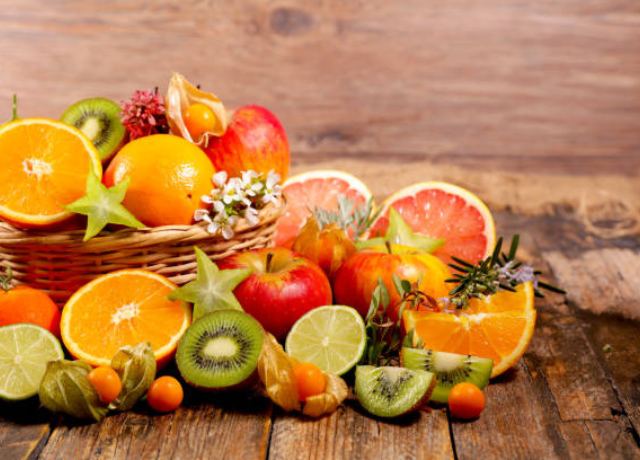
Fruits and vegetables are rich in vitamins, antioxidants, and fibre. They help detoxify the body and protect against infections. Leafy greens, carrots, apples, bananas, berries, and citrus fruits should be part of your daily meals.
Whole Grains
Whole grains such as brown rice, oats, barley, and whole wheat provide long-lasting energy. They improve digestion and help control blood sugar levels. Unlike refined grains, whole grains retain their nutrients and fibre.
Protein Sources
Protein is essential for building muscles and repairing tissues. Healthy protein sources include eggs, fish, chicken, lentils, beans, and nuts. Plant-based proteins are also excellent choices for people who prefer vegetarian diets.
Healthy Fats
Healthy fats are important for brain health and hormone production. Foods like avocados, olive oil, seeds, and almonds provide beneficial fats that support heart health.
Dairy and Alternatives
Milk, yoghurt, and cheese provide calcium and vitamin D for strong bones and teeth. For those who are lactose intolerant, plant-based alternatives such as almond milk and soy milk are good options.
Daily Healthy Eating Habits
Eat Fresh and Natural Foods
Fresh home-cooked meals are always better than packaged foods. Processed foods often contain high amounts of sugar, salt, and unhealthy fats, which can harm the body over time.
Stay Hydrated
Water is essential for digestion, circulation, and temperature control. Drinking enough water daily helps flush toxins from the body and keeps the skin healthy.
Control Portion Sizes
Eating too much, even healthy food, can lead to weight gain. Balanced portion sizes ensure that your body gets the right amount of nutrients without excess calories.
Limit Sugar and Salt Intake
Excess sugar increases the risk of diabetes and obesity, while too much salt can raise blood pressure. Choosing natural sweeteners and spices can make meals healthier.
Healthy Food and Mental Well-Being
How Diet Affects the Brain
Food has a direct impact on mental health. Nutrient-rich foods improve memory, concentration, and mood. Omega-3 fatty acids, vitamins, and minerals play a major role in brain function.
Reducing Stress Through Nutrition
Certain foods, such as nuts, dark chocolate, bananas, and green tea help reduce stress and anxiety. A balanced diet keeps hormones stable and supports emotional well-being.
Tips for Maintaining a Healthy Lifestyle
Combine Diet with Physical Activity
Healthy eating works best when combined with regular exercise. Activities like walking, jogging, cycling, or yoga improve heart health and boost metabolism.
Plan Your Meals
Meal planning helps avoid unhealthy choices and saves time. Preparing a weekly menu ensures that you include all essential nutrients in your diet.
Get Reliable Nutrition Information
For professional guidance, you can visit trusted resources like the
World Health Organization nutrition page:
https://www.who.int/health-topics/nutrition
Conclusion
Healthy Food for Better Health is not just a trend but a lifelong commitment to wellness. By choosing nutritious foods, staying hydrated, and maintaining balanced eating habits, you can prevent diseases and improve your overall quality of life. Small daily changes can lead to big long-term results. Start today by adding more natural foods to your meals and reducing unhealthy options. Your body and mind will thank you for it.